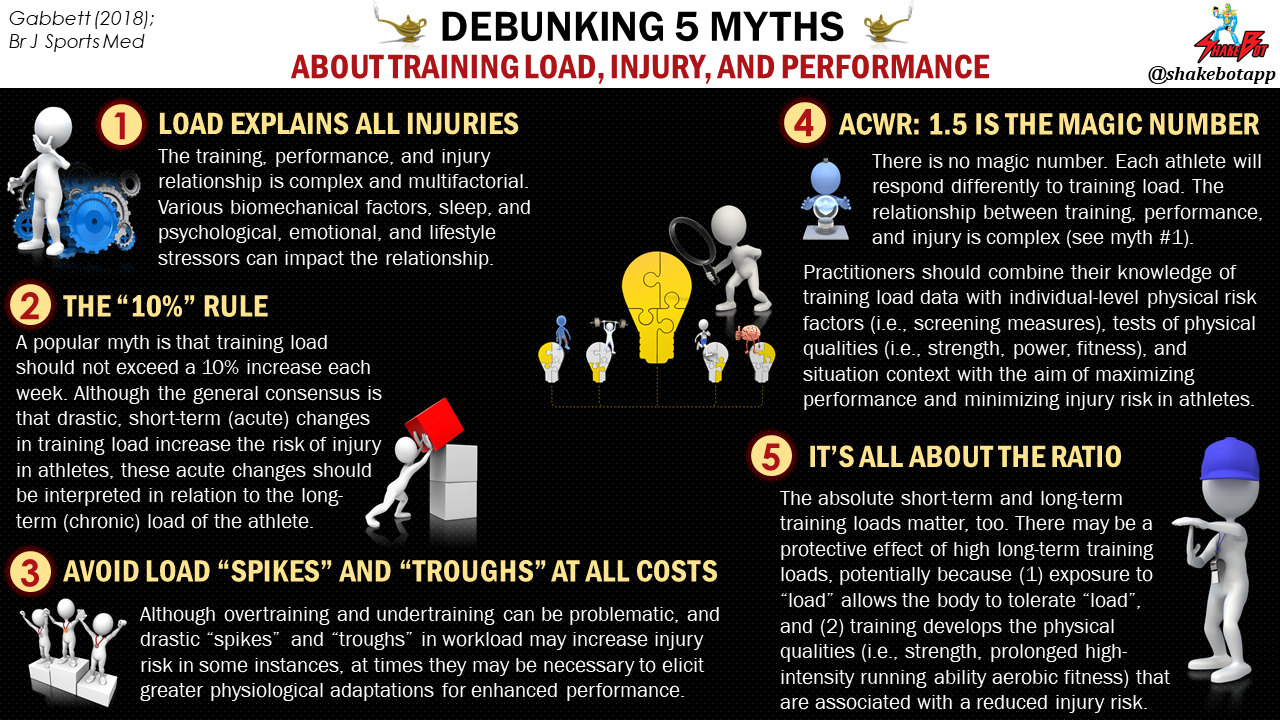
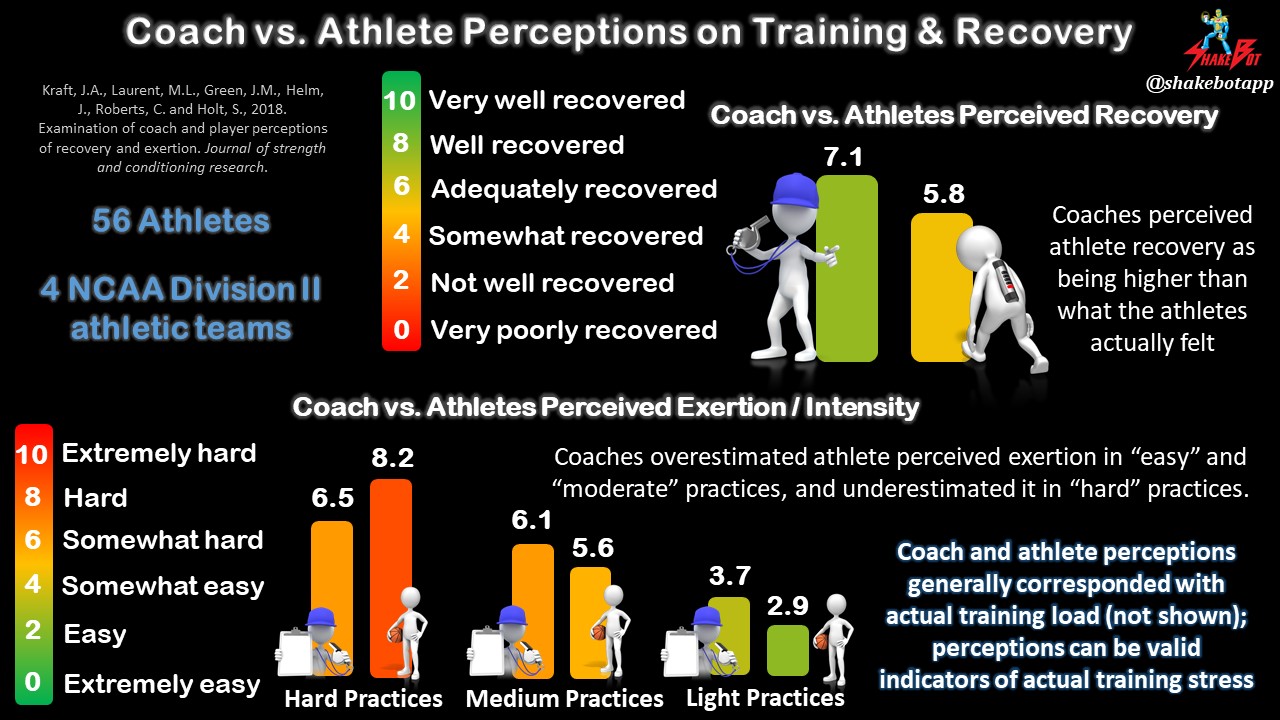
Debunking 5 Myths About Training Load, Injury, and Athletic Performance The referenced article can be viewed here. Like the content? Be the first to spread the word! Share on X (Opens in new window) X Share on Facebook (Opens in new window) Facebook Share on LinkedIn (Opens in new window) LinkedIn Share on Reddit (Opens in new window) Reddit Share on Tumblr (Opens in new window) Tumblr More Print (Opens in new window) Print Share on Pinterest (Opens in new window) Pinterest Share on Telegram (Opens in new window) Telegram Share on WhatsApp (Opens in new window) WhatsApp Read more articles Previous PostWhen and How to Implement Resistance Training in Youth Next PostThe Main Reason Why You’re Sleepy on Thanksgiving You Might Also Like Is the Athlete Recovered and Ready to Train Today? The Answer Depends on Who You Ask 04/10/2018 One-repetition-maximum Measures or Maximum Bar-power Output: Which is More Related to Sport Performance? 07/29/2019 Training Load and its Role in Injury Prevention: Back to the Future 10/05/2020
One-repetition-maximum Measures or Maximum Bar-power Output: Which is More Related to Sport Performance? 07/29/2019