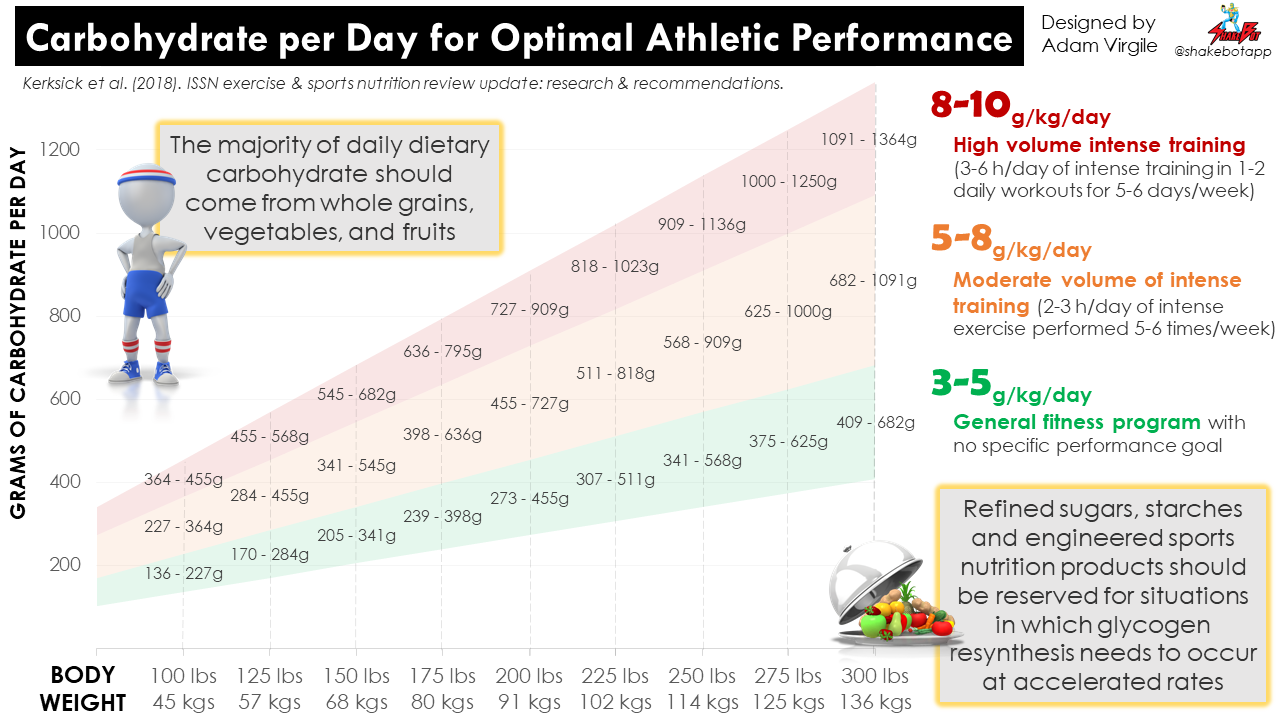
Daily Carbohydrate Recommendations for Optimal Athletic Performance
The referenced article can be viewed here.

The referenced article can be viewed here.
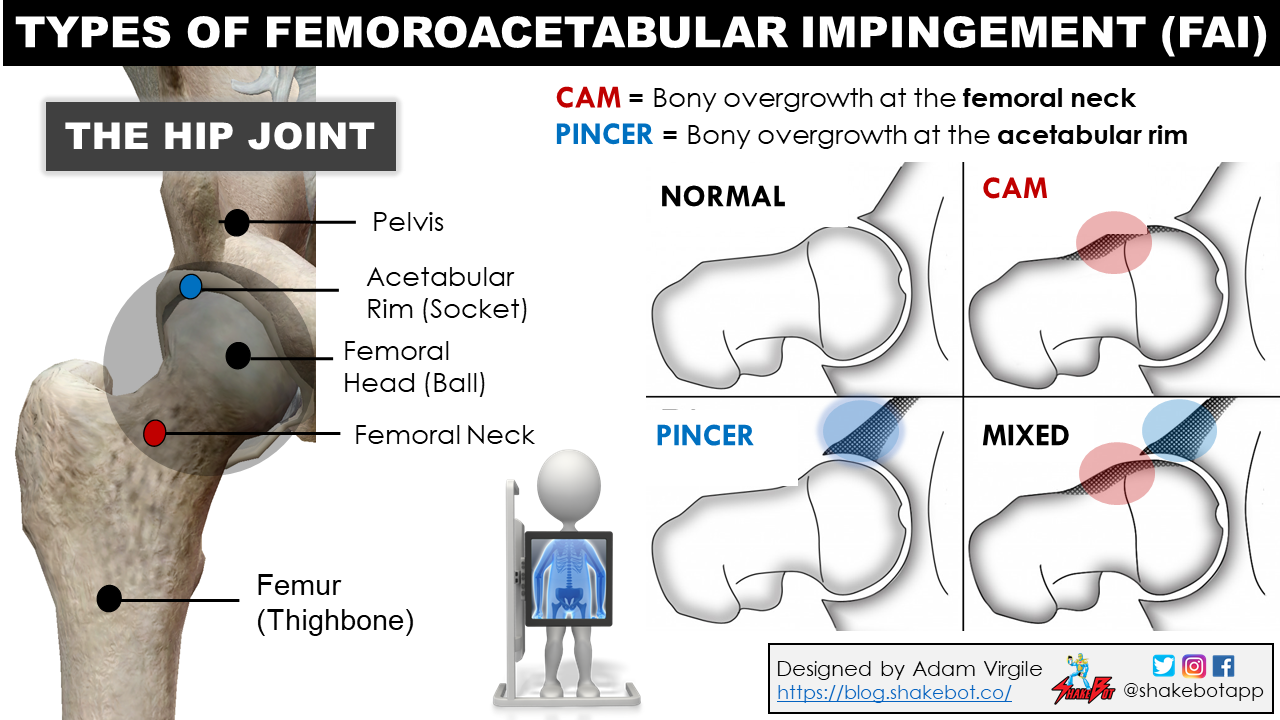
Groin pain can have a variety of pathologies. It’s extremely important to identify the root of the pain because the specific cause may drastically affect the appropriate treatment for pain relief and return to optimal athletic performance.
(more…)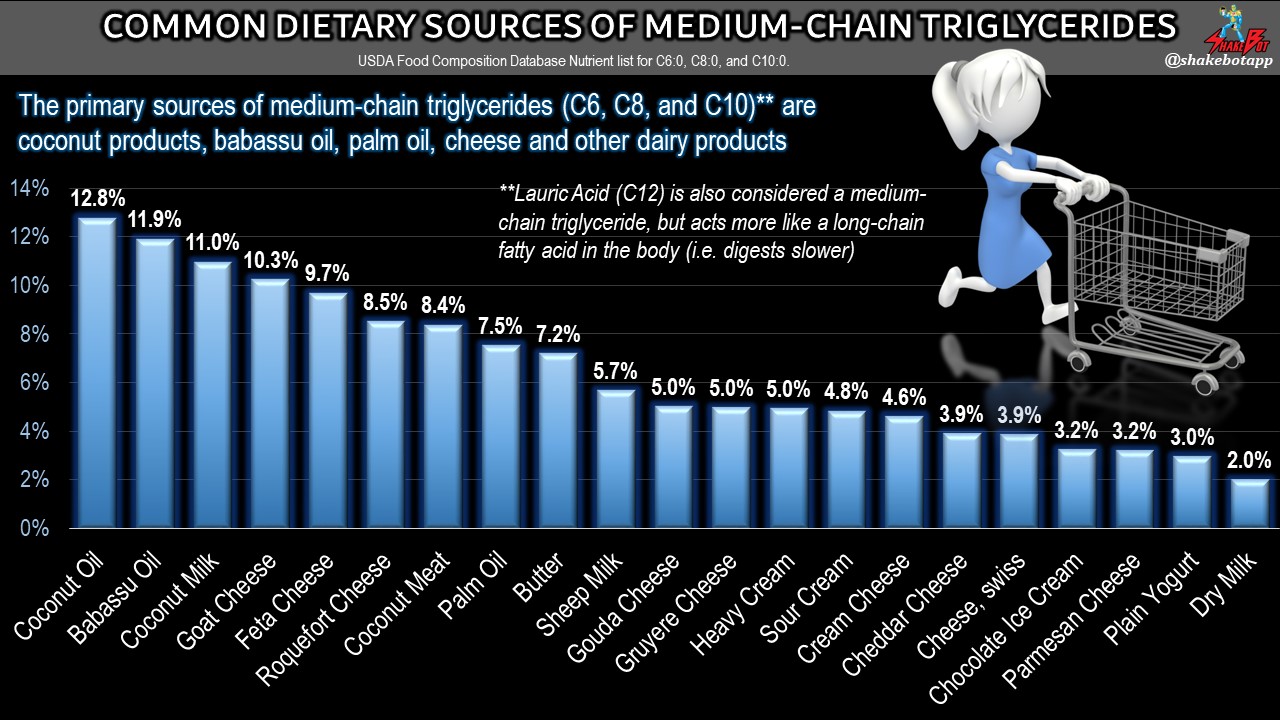
Medium-chain triglycerides (MCTs) are exactly what you would think; triglycerides (i.e. fat molecules) with medium chain lengths of molecules. Some triglycerides have long chains, containing 13+ carbon atoms, whereas others have short chains, containing 5 or fewer carbon atoms. MCTs are right in the middle, and contain 6-12 carbon atoms in their chains [1-4].
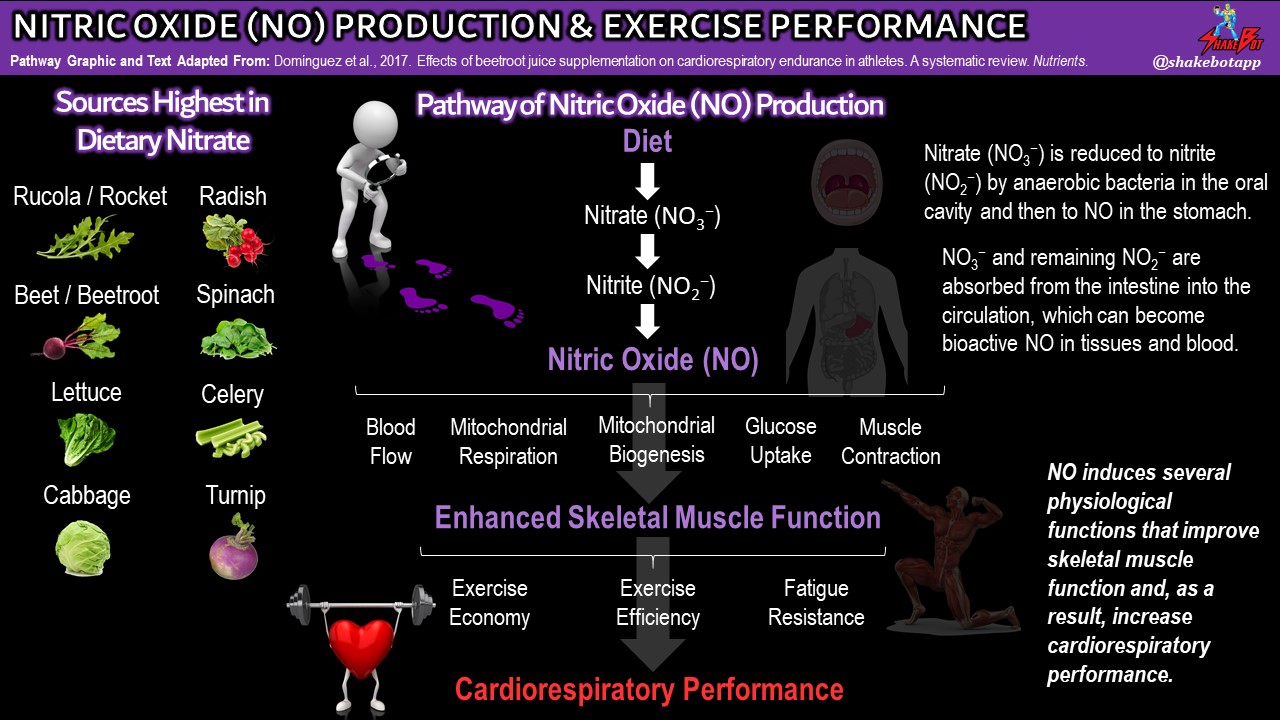
In the human body, Nitric Oxide (NO) promotes vasodilation, or widening of the blood vessels, which increases blood flow and reduces blood pressure [1-3]. NO is heavily involved with many physiological processes that affect exercise performance, including the regulation of blood flow, skeletal muscle contraction, and mitochondrial respiration and biogenesis [3-5].
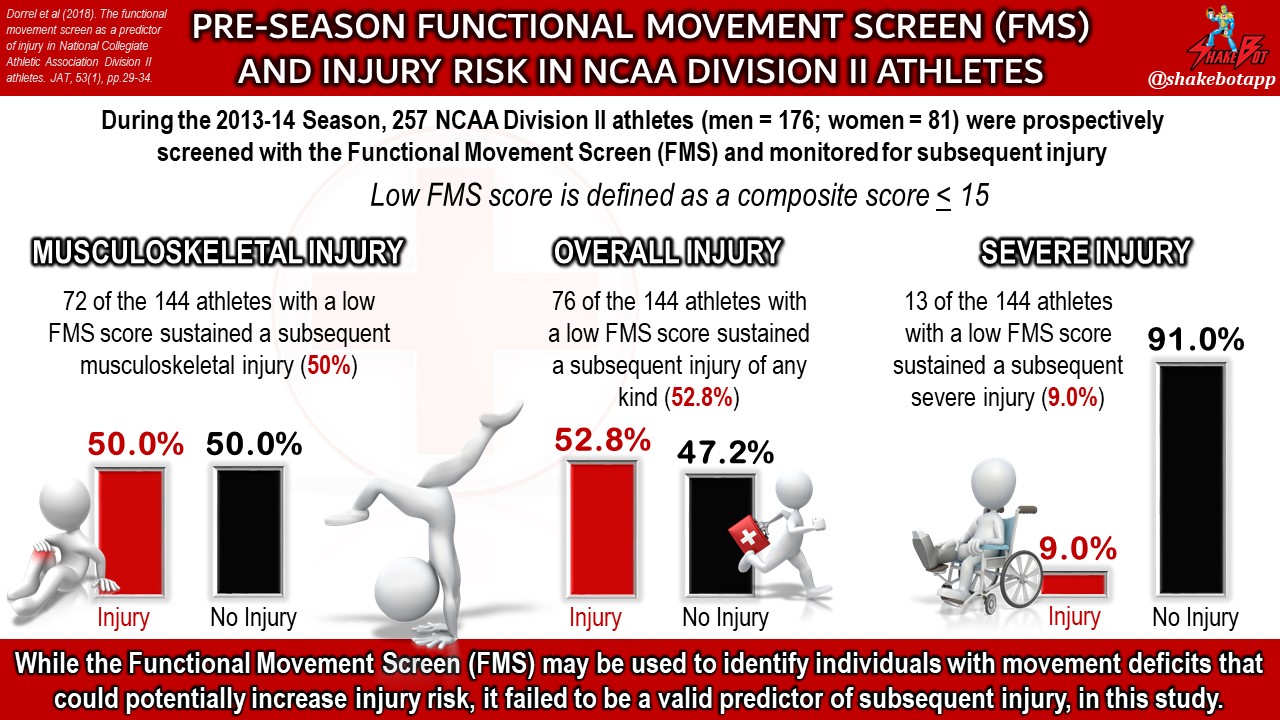
Designing and implementing testing and monitoring procedures to identify athletes who are at increased risk for suffering hip-related pathology is crucial for sustained, high-level, ice hockey performance.
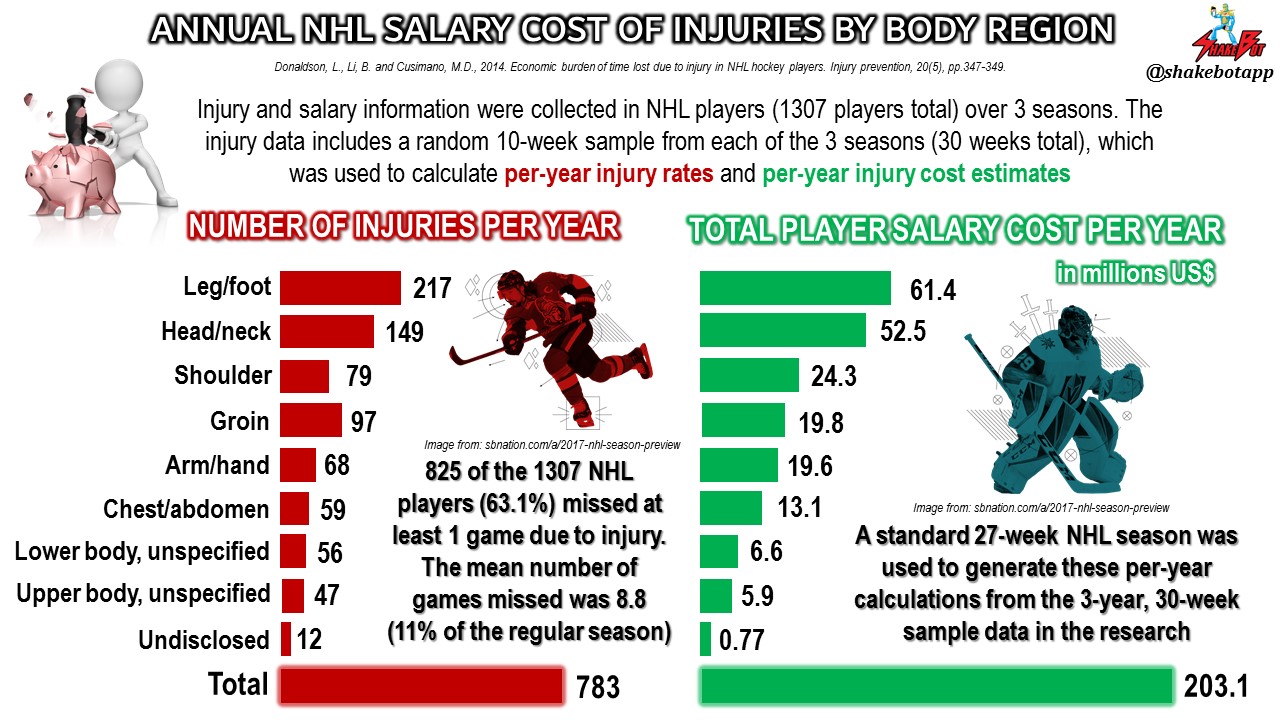
Having healthy hips is an integral facet of sustained, high-level ice hockey performance. Due to their heavy use in the sport, they are frequently injured. The financial, performance, and time-loss costs can be extremely burdensome.
(more…)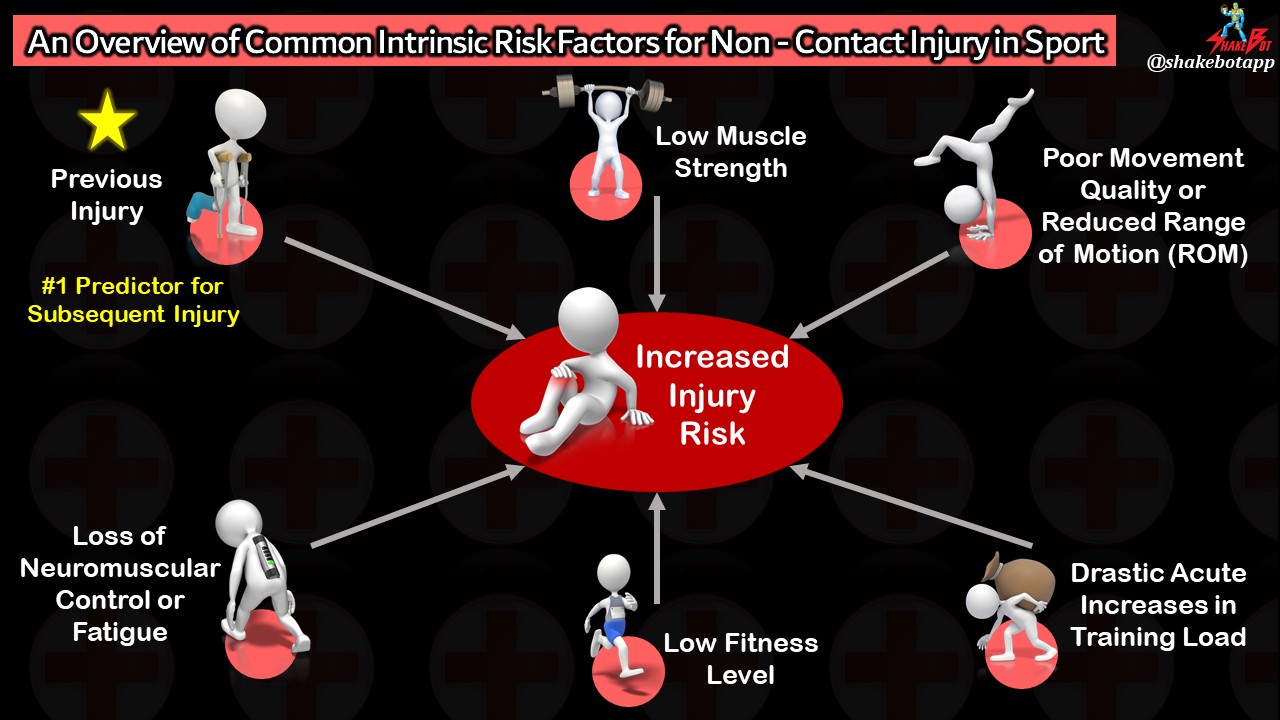
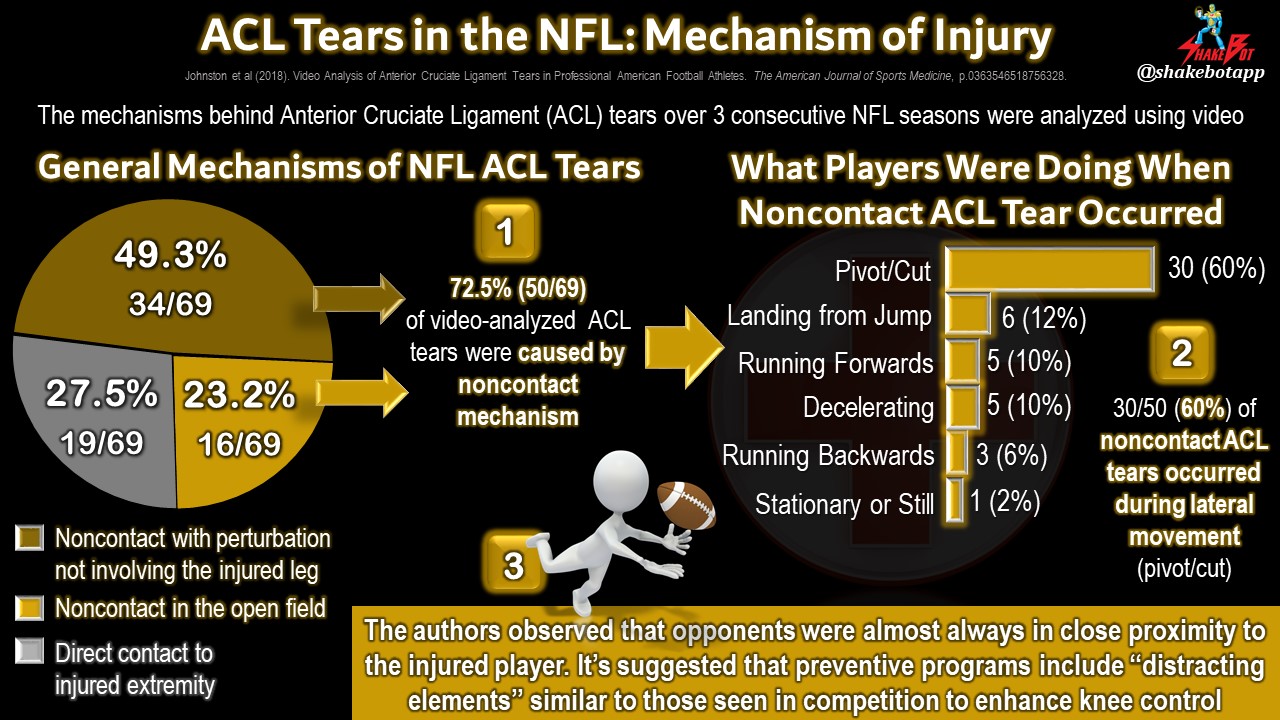
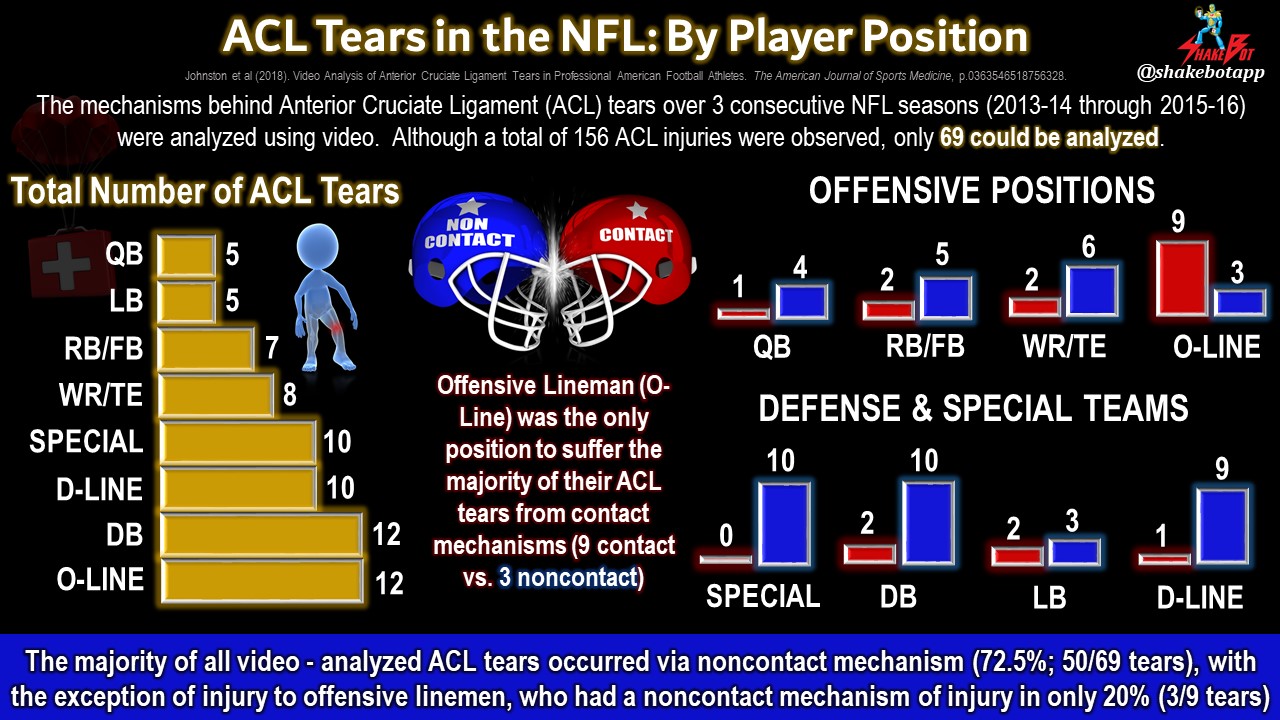
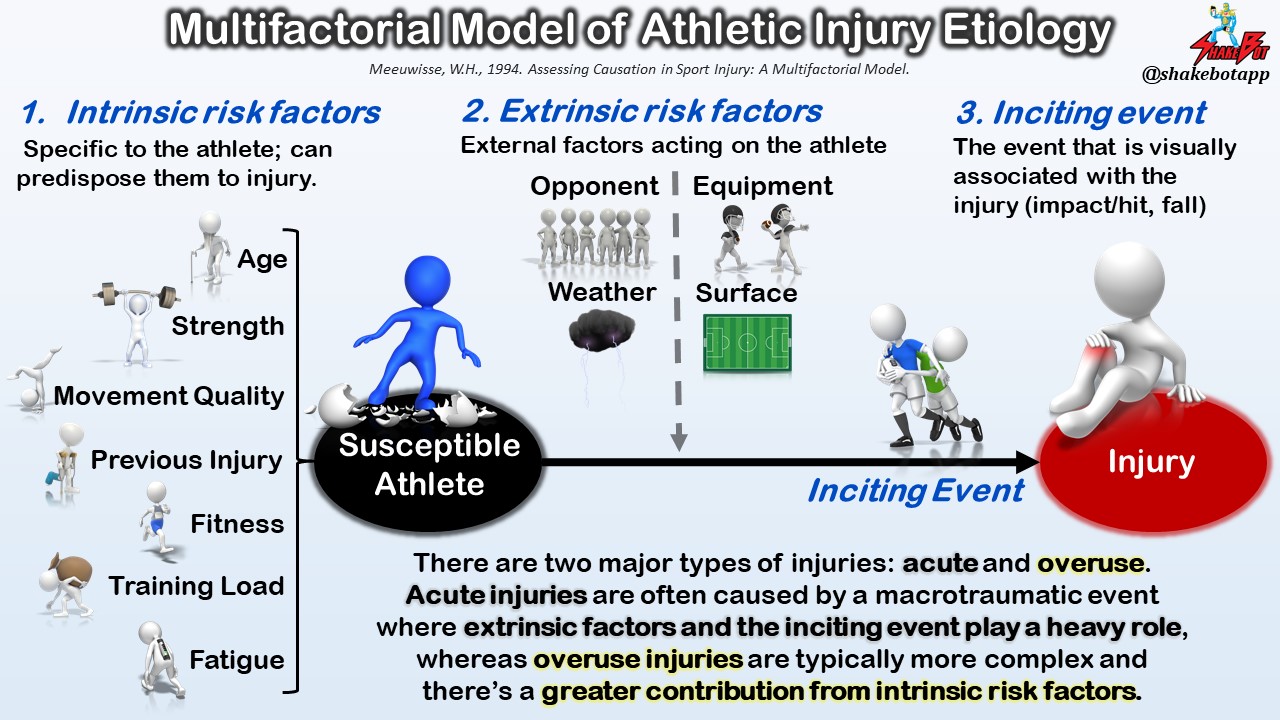
Sporting injuries can be caused by contact (e.g traumatic) or non-contact (e.g overuse) mechanisms in nature, with contact injuries more often being associated with extrinsic risk factors, which are out of the control of the athlete in a single, identifiable incident [1-5].
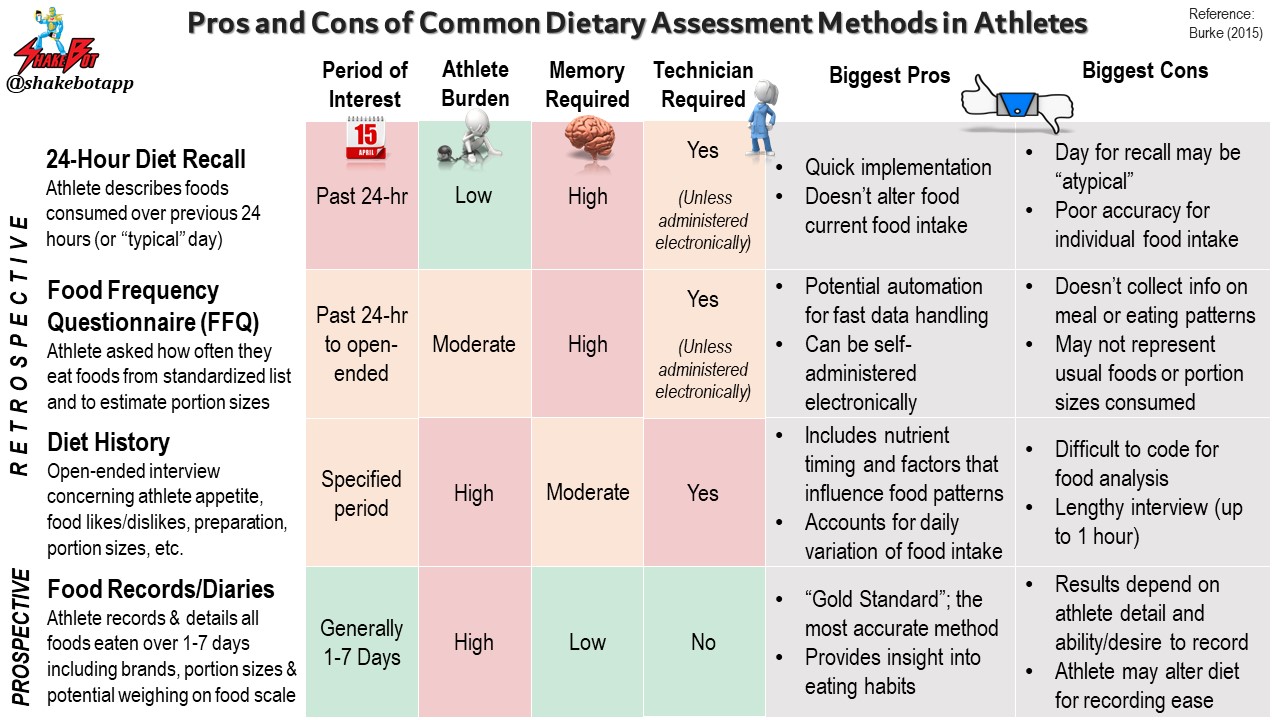
The referenced article can be viewed here.
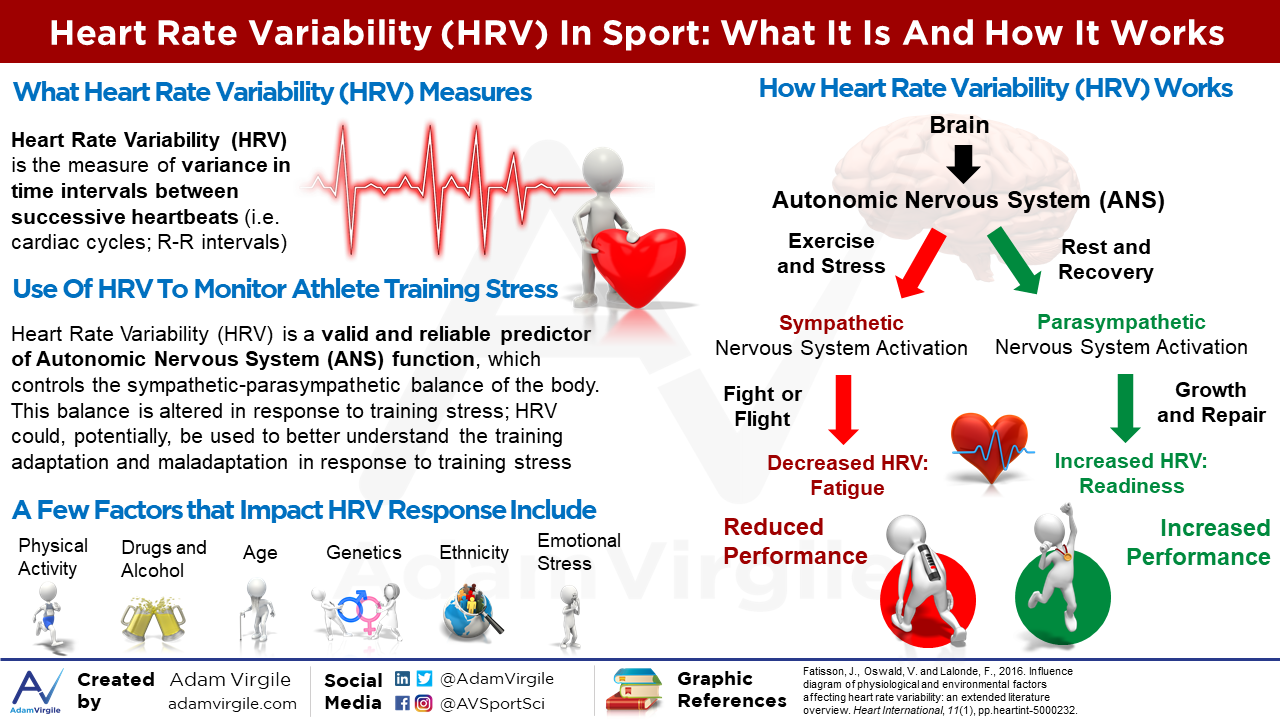
Most athletes and sport science personnel understand the importance of recovery after exercise, which is defined as the return of body homeostasis after training to pre-training or near pre-training levels [28].
(more…)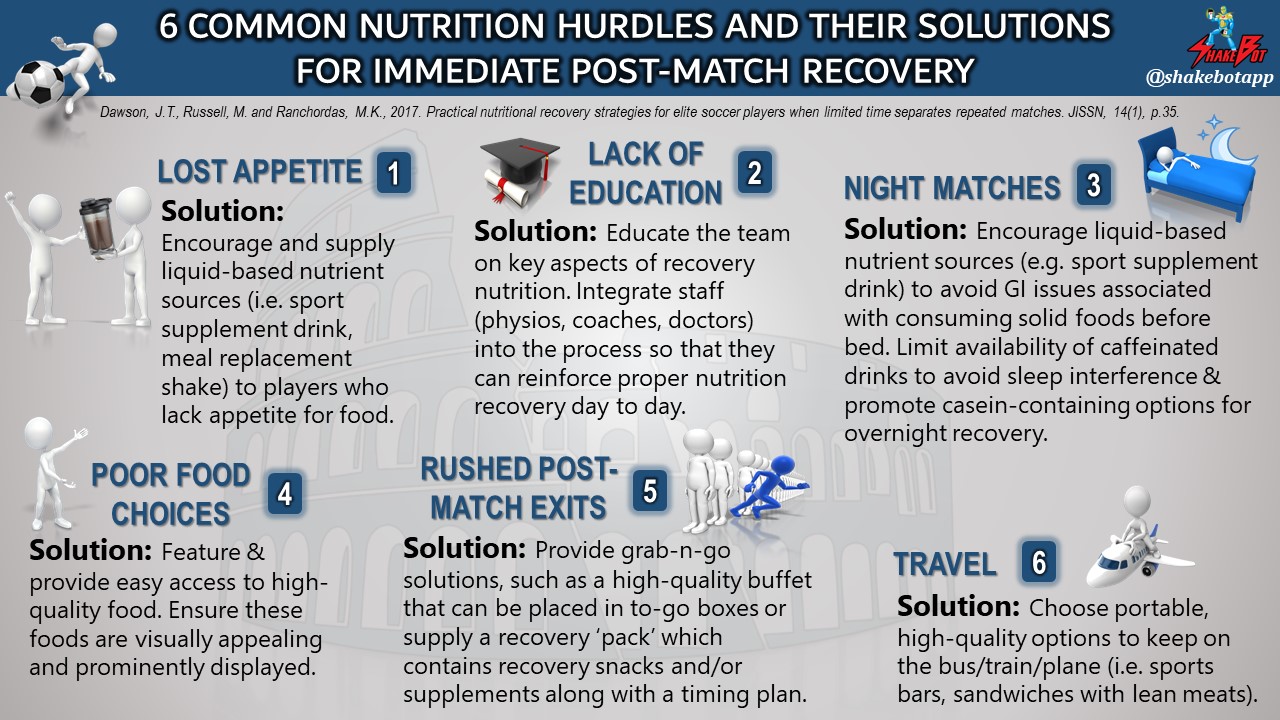
The referenced article can be viewed here.
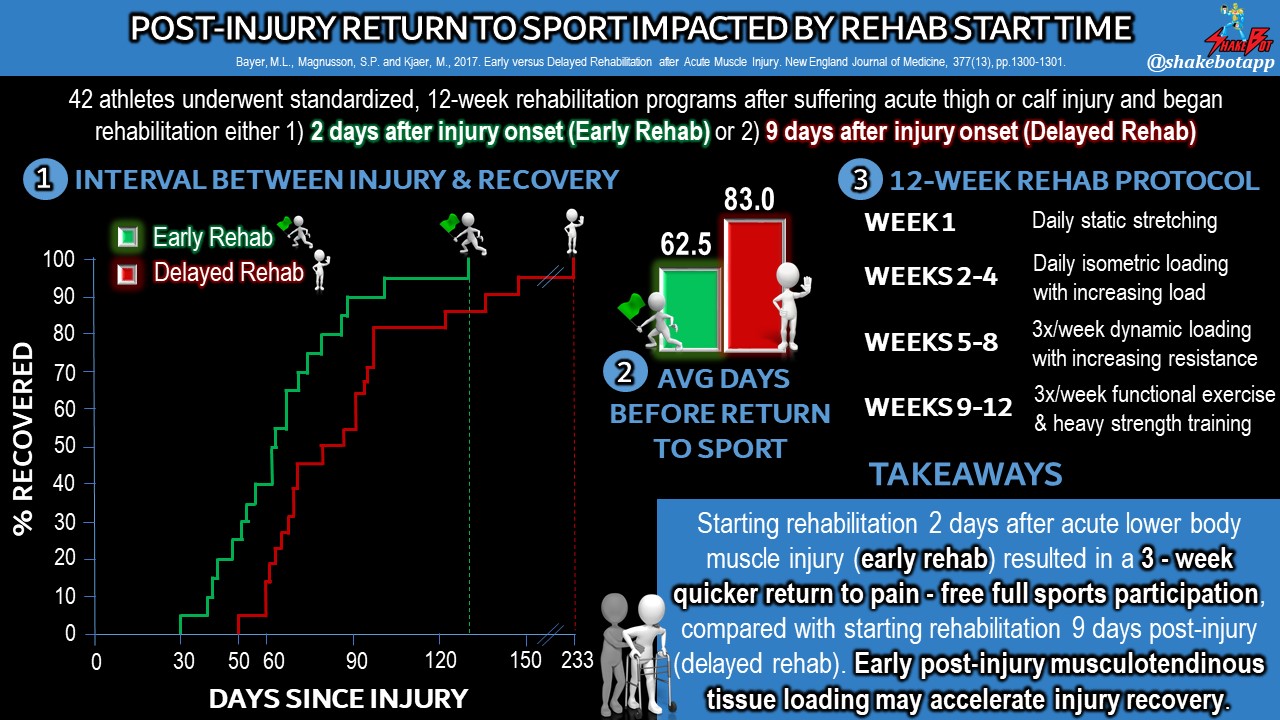
The referenced article can be viewed here.